

How I got into talent development
I walked into the command tent, and checked in with the analysts for the evening update. I asked for a debrief on what we now knew about the opposition forces based on reports on our various teams spread out for miles around us. After getting that update, I then asked how they got their conclusions. What tools did they use? What gaps still existed? How reliable was the information? How did they know? And finally, how would they present this to the force commander who needed the best intel possible before approving a critical mission. I listened as the chief analyst walked me through, piece by piece, of their findings, and expertly answered all my questions and challenges.
In this instance, I was not the head of a special force unit, or a high ranking officer. In fact, part of my role was as the “head” of the opposition forces the intelligence analysts and their unit’s teams were facing. More important to where I am now – I was also the battalion training chief. And this moment was a key experience that led me into the world of talent development.
From Command Tents to Boardrooms
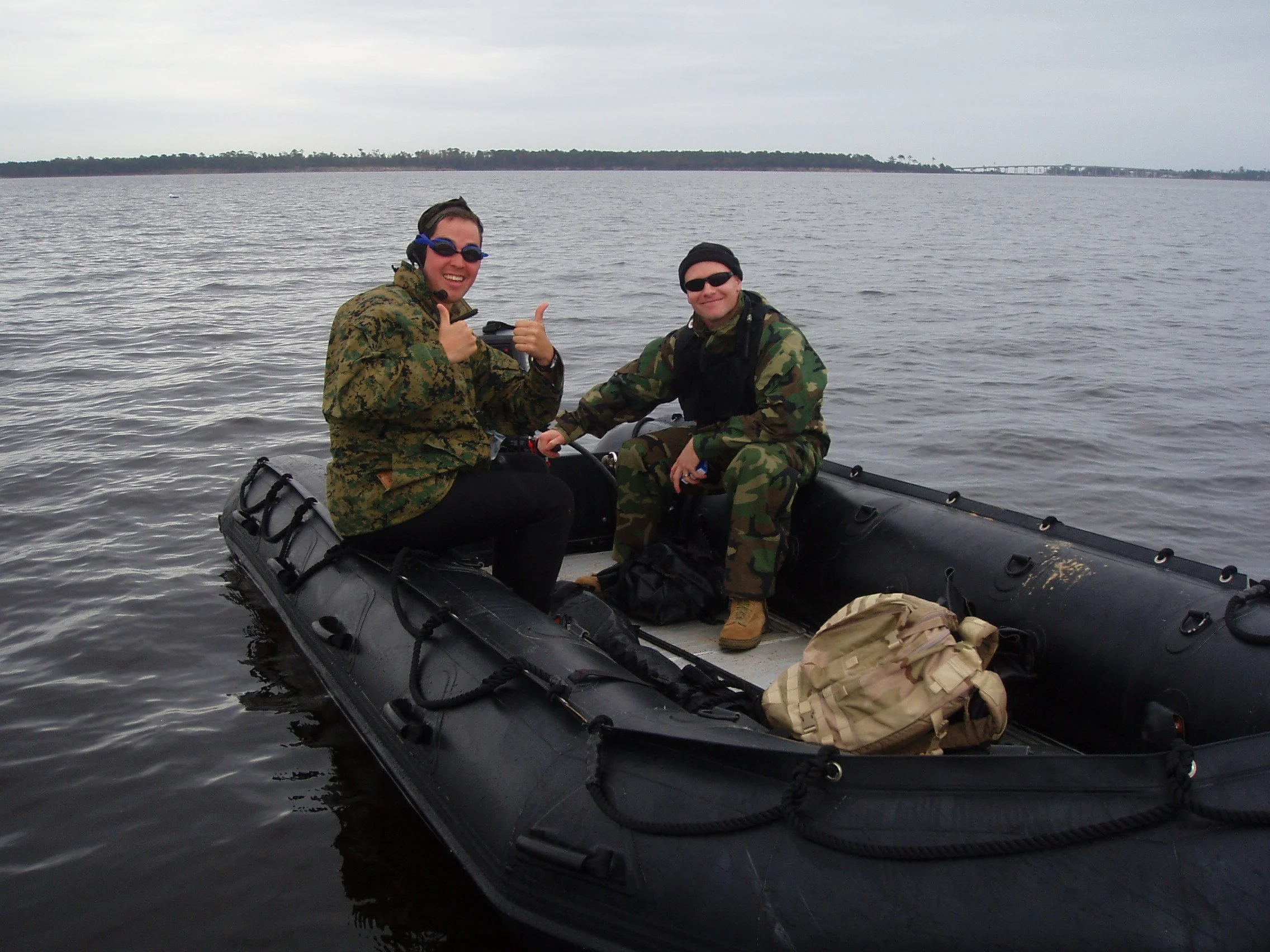
As an Instructor of Water Survival, one of my roles included supporting open water training exercises (and even being ready to serve as a rescue swimmer).
This moment I’m reflecting on, specifically, was the final exercise of a 6-month ramp up for a unit getting ready to deploy. So, for me, the inspiring part was that that same chief analyst had, 6 months prior, been completely unfamiliar with the job skills, the tools, and what he needed to do to be successful. And it wasn’t just him. Most in the 25 person unit – including its officers – had not worked with each other and had not done the specific job requirements in several years, if at all. But through our training program, at the end of the ramp up, and just a few short weeks before their deployment, they were a well-oiled team, operating at a high level, and delivering the results needed to make the whole organization succeed.
I loved this job. In my final year in the Marine Corps (and, for another year several years earlier at a different unit), my primary job role was developing others – new Marines, team leaders, and whole teams. In fact, this was one thing I truly appreciated about the military - subject matter experts are expected to train and develop younger servicepeople. As I myself learned how to develop training programs, design organizational development plans, and coach leaders, I saw how others would grow into highly-capable Marines and teams, and seeing this happen filled me with joy, pride, and a sense of accomplishment.
Several years later, I met with a career coach as I was, at this point, a civilian trying to figure out my next career steps. My coach suggested that, thanks to my background in training, to look into HR, and, more specifically, talent management and development. Admittedly, my initial reaction was “you mean the policy police?” Luckily, I heeded his recommendation, and found a field I became passionate about. I used my experience to become a technical trainer for a top academic institution, and was on may way.
Mission: Growing Talent
Since then, I’ve had the opportunity to learn new tools, experiment with different platforms and approaches, and get involved in projects encompassing the entire employee lifecycle and experience – from drafting a workforce strategy and writing job descriptions to helping create succession plans and develop executive leaders. Throughout these experiences, I’ve been able to harken back to what brought me into the field in the first place - the fulfillment from seeing others succeed. Working backwards from individual and group success has become my primary approach to work, whether working for a company or for a client.
Now, nearly 20 years after the moment I recounted earlier, I get to do the same thing for businesses and their leaders looking to develop their teams to support growth. And I get to experience the same fulfillment as I see people and teams grow not just their capabilities, but their potential, as well. The mission is different. So are the people. The methods are, surprisingly, closer than many may initially think, though in the time since I’ve left the military a lot more research around workforce development has come out. In any case, the sense of pride and fulfillment I experience in helping clients achieve their goals is still there.
Do you have questions about how you can help your people grow? Let’s set up some time to discuss.
